
Cancer is not a single disease but a heterogeneous collection of disorders driven by numerous genetic alterations. For much of the 20th century, diagnosis and therapy were based on histological features and the organ of origin. The completion of the Human Genome Project in 2003 ushered in an era where clinicians could begin to treat malignancies based on the underlying molecular defects rather than the tissue of origin. Next-generation sequencing (NGS) technology made it possible to sequence hundreds of genes in parallel, enabling comprehensive genomic profiling (CGP), the ability to interrogate the major classes of genomic alterations, including single nucleotide variants, copy-number alterations, insertions/deletions, and gene fusions, in a single test. By matching a patient's tumor genome to targeted therapies, CGP holds the promise of improving survival and reducing toxicity compared with traditional chemotherapy.
What follows traces how CGP evolved from early molecular profiling to today's multi-omic, AI-enabled practice, the targeted therapies it has unlocked, how regulation and access differ across regions, and where the field is heading next.
From single genes to the whole genome
Early molecular diagnostics targeted single genes or small sets of mutations, such as BCR-ABL testing for chronic myeloid leukemia (CML). As the list of actionable genomic alterations grew, single-gene assays became impractical. NGS technology allowed many genes to be sequenced simultaneously, giving rise to multigene panels. A Canadian horizon scan noted that CGP tests such as FoundationOne CDx and FoundationOne Liquid CDx can analyze hundreds of genes, 324 genes for the tissue-based test and its liquid-biopsy equivalent, while other liquid biopsies like Guardant360 CDx profile dozens of genes and are FDA-authorized for use in multiple cancers. CGP may be performed on tumor tissue, the current gold standard, or on circulating tumor DNA collected from blood (liquid biopsy). Tissue assays often have higher sensitivity but require invasive biopsies, whereas liquid biopsies are less invasive and provide faster results, though with lower sensitivity and the potential for false negatives.
Several companies pioneered CGP and remain key players today:
- Illumina (founded 1998) commercialized NGS platforms. Its TruSight Oncology Comprehensive assay screens hundreds of biomarkers and returns results within 4–5 days. Illumina founded the cancer-early-detection firm Grail as a spinout in 2016, reacquired it in 2021, and was compelled to divest it again in 2024 following antitrust rulings in the United States and Europe.
- Exact Sciences (founded 1995) developed the non-invasive Cologuard test for colorectal cancer (approved 2014) and the Oncotype DX platform. In 2023 the company launched oncoExTra, which combines DNA and RNA profiling for advanced cancers.
- Qiagen (1984) created the QIAseq xHYB enrichment panels that focus sequencing reads on relevant coding regions, providing cost-effective CGP for tissue or liquid samples.
- Caris Life Sciences (2008) deploys pan-omic profiling that analyzes DNA, RNA, and proteins, incorporating artificial intelligence to guide therapy selection. Its FOLFIRSTai algorithm predicts first-line treatment response in metastatic colorectal cancer.
- Foundation Medicine (2010) was one of the earliest companies to offer clinical CGP. Its first test, FoundationOne, launched in June 2012 and interrogates hundreds of genes in solid tumors. FoundationOne Heme, introduced in December 2013, profiles hematologic malignancies and sarcomas. Its first blood-based assay, FoundationACT, launched in 2016, and the hybrid-capture FoundationOne Liquid CDx followed in 2018. Also in 2016, the company obtained FDA approval for its first companion diagnostic (FoundationFocus CDxBRCA), and FoundationOne CDx received FDA approval in 2017.
- Guardant Health (2012) focuses on cell-free DNA. The Guardant360 liquid-biopsy test, introduced in 2014, was described as the first liquid-only CGP assay and helped overcome challenges of tissue biopsies. It became the first FDA-approved liquid CGP companion diagnostic in 2020. Guardant now offers the Guardant360 CDx (55-gene panel) and has expanded into minimal residual disease and screening tests.
Together, these innovations shifted the paradigm from testing individual mutations to evaluating the entire genomic landscape of a tumor, and the field has continued to expand with players such as Tempus, Personalis, and academic programs integrating CGP into routine oncology practice. Today's landscape spans both tissue-based tests and liquid biopsies. Tissue assays like FoundationOne CDx remain the gold standard because they capture tumor heterogeneity, though they typically require 3–4 weeks for processing. Liquid biopsies such as Guardant360 CDx and FoundationOne Liquid CDx offer less invasive alternatives with quicker turnaround, about 7–10 days, and can be repeated serially to monitor resistance mutations. Panels now routinely sequence hundreds of genes; some also report tumor mutational burden and microsatellite instability, enabling tumor-agnostic therapies. Clinical practice guidelines from organizations such as the National Comprehensive Cancer Network (NCCN) and the European Society for Medical Oncology (ESMO) increasingly recommend multigene panels in advanced or metastatic solid tumors where actionable targets may be present.
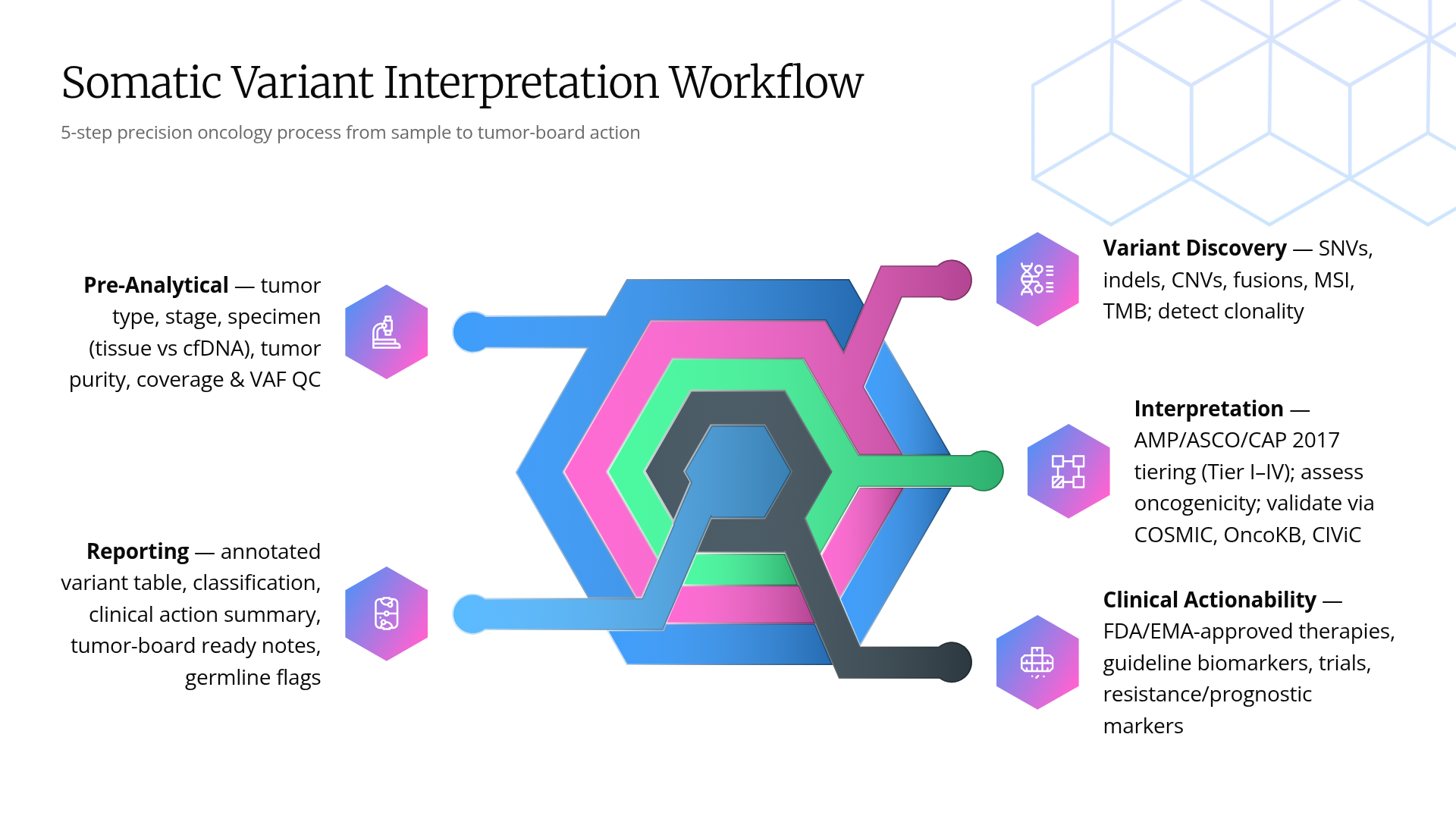
Figure 1. Somatic variant interpretation workflow used as a model for integrating CGP into clinical decision-making.
The rise of targeted therapy
One of the most profound impacts of CGP is the ability to identify actionable alterations and match patients to targeted therapies or immunotherapies. A short timeline of key discoveries and drug approvals illustrates how genomic profiling has reshaped cancer therapy:
- 1985–1998: HER2 gene amplification was identified in breast cancer, and trastuzumab (Herceptin) gained U.S. FDA approval in 1998. This provided proof that targeting a specific oncogenic driver can improve survival and opened the door to other HER2-directed drugs.
- 1998–2001: Imatinib (Gleevec), a BCR-ABL tyrosine-kinase inhibitor, moved from first clinical trials in 1998 to FDA approval in 2001 for chronic myeloid leukemia, pioneering targeted therapy and demonstrating durable remissions when matched to the right lesion.
- Early 2000s: EGFR mutations were discovered in non-small-cell lung cancer (NSCLC), and erlotinib and gefitinib produced dramatic responses, driving routine genotyping of lung tumors and broader adoption of driver testing.
- 2011: Crizotinib was approved for ALK-rearranged NSCLC, later ROS1, while vemurafenib gained approval for BRAF V600E metastatic melanoma, reinforcing the value of fusion and mutation testing in lung cancer and melanoma.
- 2017–2020: Pembrolizumab received tumor-agnostic approvals for MSI-high/dMMR and later high TMB, while entrectinib was approved for NTRK fusions across solid tumors. These milestones underscored the role of CGP in surfacing cross-cutting genomic signatures.
These examples show how CGP enables precision oncology, where therapies are tailored to the genetic drivers of a patient's tumor. Not every patient will receive targeted therapy, but those who do often experience improved outcomes. A 2025 real-world-evidence meta-analysis published in the Journal of the National Cancer Institute (JNCI) found that among patients with metastatic tumors who underwent CGP, 59.8% harbored an actionable genomic alteration and 15.6% went on to receive matched targeted therapy. CGP-guided treatment significantly improved outcomes compared with conventional therapy, with a pooled hazard ratio of 0.63 for progression-free survival and 0.60 for overall survival.
Regulatory pathways across regions
In the United States, the Food and Drug Administration (FDA) requires a series of pre-clinical and clinical studies before a new drug can be marketed, but offers several mechanisms to expedite therapies for serious conditions, including Priority Review, Breakthrough Therapy, Fast-Track, and Accelerated Approval. In oncology, the FDA's Real-Time Oncology Review allows data to be submitted and reviewed on a rolling basis, and Project Orbis enables concurrent submission and collaborative review among international partners. These initiatives reflect the FDA's willingness to approve targeted therapies based on compelling response data from single-arm trials when no alternatives exist.
Canada's regulatory landscape is more complex. New therapies must first receive a Notice of Compliance (NOC) from Health Canada, and to expedite access the agency issues NOC with conditions (NOC/c) for drugs with promising evidence, usually based on single-arm trials. Unlike the FDA, Health Canada has made only minor adjustments to this pathway, so a growing proportion of oncology drugs are approved conditionally and real-world evidence is underused. After regulatory approval, drugs undergo health technology assessment via CADTH/INESSS and pricing negotiations via the pCPA, adding time before patients can access new therapies. Reimbursement of the testing itself is a parallel challenge: CGP is not yet standard of care across all tumor types in any Canadian province, and public funding remains patchy, so many patients pay out of pocket or access testing through not-for-profit and research programs. A recent Canadian economic analysis estimated that publicly funding CGP for five high-burden metastatic cancers could save the health system on the order of $87–134 million and add roughly 3,440 life-years over a six-year horizon, strengthening the case for coverage. In the interim, private insurers have begun to close the gap directly through partnerships with specialized laboratories. In November 2025, for example, OncoHelix, a Calgary-based precision-diagnostics laboratory, partnered with Desjardins Insurance, which covers more than five million Canadians, to provide coverage for comprehensive genomic profiling of solid tumors and liquid biopsy to eligible group members and their dependents under Desjardins' Cancer Care Focus initiative. Arrangements of this kind point to an emerging hybrid model in which private payers and accredited labs expand access ahead of, and alongside, public reimbursement.
Across the Middle East, regulatory and delivery environments vary widely, but the United Arab Emirates offers an instructive case study of how quickly precision oncology can be built out with coordinated public and private investment. Drug approval is moving toward a unified federal framework under the Emirates Drug Establishment, while emirate-level health authorities such as the Department of Health – Abu Dhabi (DoH) shape how genomic testing is adopted in practice. On the public side, DoH launched what it described as the region's first Personalised Precision Medicine Programme for oncology, delivered with Cleveland Clinic Abu Dhabi and the M42/G42 Healthcare sequencing infrastructure; the programme integrates genomic screening into diagnosis and treatment planning and has since provided tailored care to more than 250 Emirati cancer patients. Momentum has continued into 2025, with M42, AstraZeneca, and SOPHiA GENETICS announcing a national liquid-biopsy initiative built on the MSK-ACCESS assay, with validation at Cleveland Clinic Abu Dhabi and an initial focus on lung, breast, ovarian, colorectal, and pancreatic cancers. The private sector has expanded capacity in parallel: Burjeel Holdings, one of the largest private healthcare providers in the MENA region with a network of hospitals and internationally accredited laboratories through its coLAB arm, partnered with OncoHelix Inc. to establish an advanced molecular genetics and immune-profiling laboratory in Abu Dhabi, bringing clinically validated CGP and translational-research capabilities that were not previously available locally. Taken together, these initiatives illustrate a region moving rapidly from sending samples abroad toward mature, in-country precision-oncology infrastructure.
Access in resource-limited settings
Despite the promise of CGP, its adoption in low- and middle-income countries (LMICs) remains limited. Barriers include high test costs, limited expertise, long turnaround times for complex assays, and poor access to targeted therapies. Insurance coverage is often inadequate, and many national formularies do not list targeted agents as essential medicines. Even so, CGP and targeted therapies have produced meaningful benefits for some patients in resource-constrained settings. International collaborations, national genomics programs, and local sequencing labs can reduce costs and accelerate access, and partnerships between academic centers and industry may also make clinical trials more accessible.
CGP in practice today
Comprehensive genomic profiling has moved beyond research into routine care for many advanced cancers. Tissue-based panels provide a broad survey of actionable mutations, while liquid biopsies enable non-invasive monitoring and can detect emerging resistance mutations earlier than imaging. Molecular tumor boards now routinely review CGP results and recommend targeted therapy, immunotherapy, or clinical trial enrollment. Cost remains a major consideration. Budget-impact analyses in high-income countries suggest that increasing the proportion of cancer patients undergoing CGP has a minimal short-term effect on healthcare budgets, because matched therapies improve outcomes and may reduce the use of ineffective treatments. In LMICs, however, the upfront costs of sequencing and targeted agents are often unaffordable without subsidies or differential pricing.
The next phase: AI, multi-omics, and equitable access
Researchers are developing multi-modal artificial intelligence systems that integrate genomic data with medical imaging, electronic health records, and other biomarkers. These models generate separate embeddings for each data type and then combine them to make predictions; in oncology, such systems can analyze tumor genomics alongside histopathology and clinical variables to predict which patients will respond to immunotherapy or other targeted agents. Companies like Tempus and Foundation Medicine are pioneering platforms that link CGP results with clinical data to assist oncologists in choosing therapies.
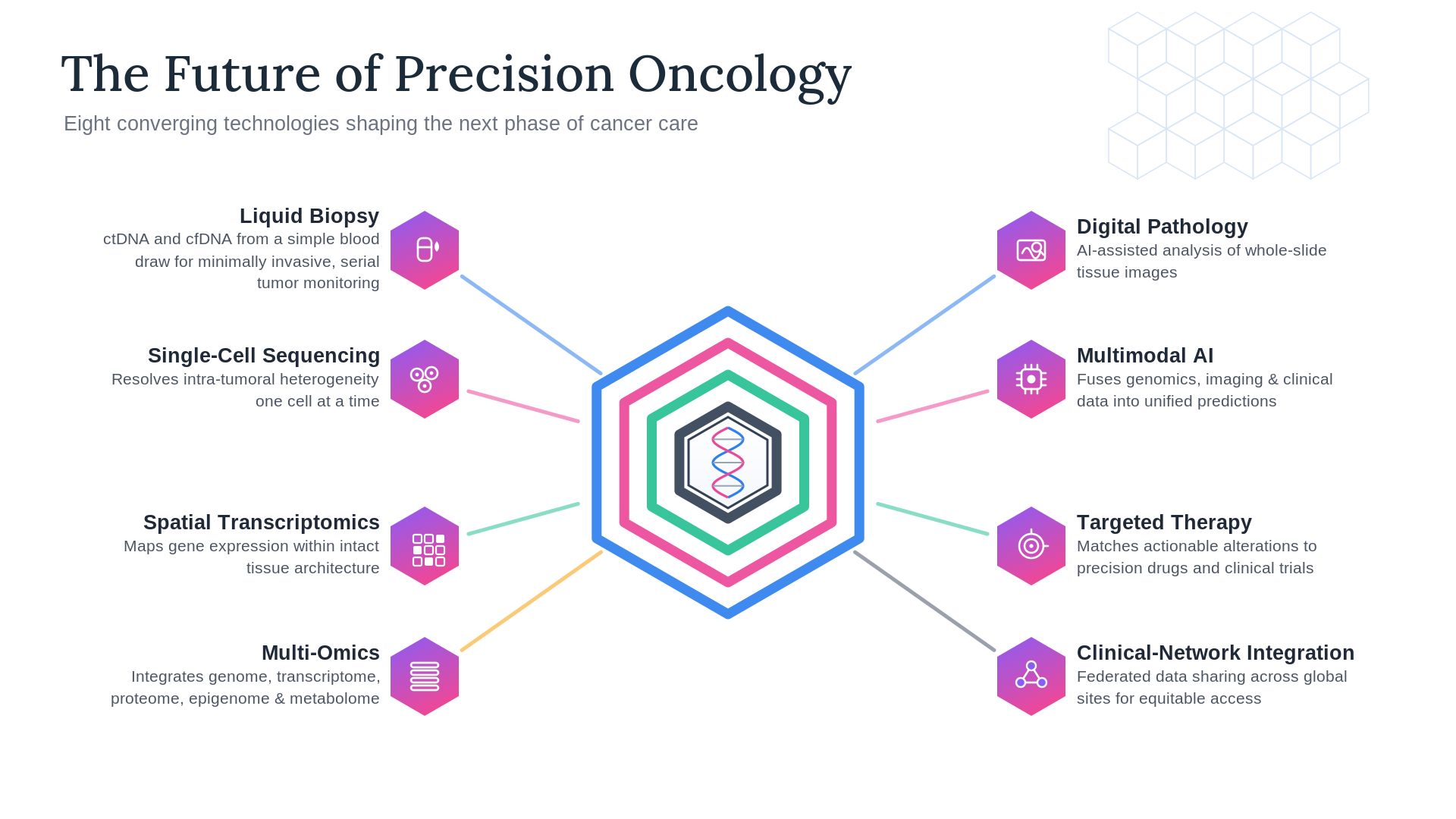
Figure 2. The future of precision oncology.
Beyond DNA sequencing, future CGP assays will likely integrate RNA sequencing, proteomics, epigenomics, and metabolomics to provide a more comprehensive picture of tumor biology. Single-cell sequencing and spatial transcriptomics can reveal intra-tumoral heterogeneity and microenvironmental interactions, and coupled with liquid biopsies that monitor circulating tumor DNA and RNA, these technologies will enable real-time assessment of tumor evolution and treatment response. Regulators, meanwhile, are experimenting with collaborative review models. Expanding efforts like Project Orbis could help harmonize requirements, reduce duplication, and accelerate access in regions like Canada and the Middle East. Health Canada is under pressure to incorporate more real-world evidence, shorten review timelines, and align reimbursement decisions with regulatory approvals, while Middle-Eastern regulators are moving toward more unified frameworks, exemplified by the UAE's consolidation of drug oversight under the Emirates Drug Establishment and Abu Dhabi's coordinated precision-medicine programs.
For CGP to fulfill its potential globally, cost barriers must fall. Differential pricing, tiered reimbursement, and inclusion of targeted therapies on essential medicines lists may improve affordability in LMICs. Expanding clinical trial networks to include more sites in Africa, Asia, and Latin America will generate data relevant to local populations and speed regulatory approvals. Academic institutions need to train clinicians who can interpret multi-omic data and work with AI systems, and investment in sequencing facilities, bioinformatics capacity, and data-sharing platforms is essential.
Conclusion
Comprehensive genomic profiling represents a paradigm shift in oncology, enabling clinicians to look beyond tumor histology to the molecular drivers of disease. The field has evolved rapidly, from early single-gene tests to panels that interrogate hundreds of genes, and from tissue-only assays to liquid biopsies. Pioneering companies like Foundation Medicine, Guardant Health, Illumina, Exact Sciences, and others have made CGP accessible in routine practice. The discovery of actionable targets such as BCR-ABL, HER2, EGFR, ALK, BRAF, and NTRK and the development of corresponding targeted therapies have dramatically improved outcomes for many patients. Regulatory pathways differ across regions, and in resource-constrained settings the high cost of testing and drugs, limited infrastructure, and slow regulatory processes still hinder adoption. Looking ahead, the integration of genomics with multi-modal AI, the inclusion of real-world evidence, and global collaboration hold the key to making precision oncology more effective and equitable.
References
- Comprehensive genome profiling for treatment decisions in patients with metastatic tumors: real-world evidence meta-analysis and registry data implementation. JNCI: Journal of the National Cancer Institute, 2025. https://academic.oup.com/jnci/article/117/6/1117/7972746
- FDA approves first liquid biopsy NGS companion diagnostic test (Guardant360 CDx), 2020. https://www.ons.org/news-and-views/fda-approves-first-liquid-biopsy-ngs-companion-diagnostic-test-for-nsclc
- Foundation Medicine — company history and product timeline. https://www.foundationmedicine.com/timeline
- Illumina completes the divestiture of GRAIL, 2024. https://www.illumina.com/company/news-center/press-releases/press-release-details.html?newsid=d2e2aec7-563a-4301-9d60-db56ea067bfb
- Life years gained and healthcare dollars saved: national economic evidence supporting CGP as standard of care for Canadian cancer patients. Current Oncology, 2025. https://doi.org/10.3390/curroncol33040191
- OncoHelix and Desjardins expand access to genomic profiling. Canadian Healthcare Technology, November 2025. https://www.canhealth.com/2025/11/05/oncohelix-desjardins-expand-access-to-genomic-profiling/
- Department of Health – Abu Dhabi launches the first Personalised Precision Medicine Programme for oncology in the region. https://www.doh.gov.ae/en/news/doh-launches-the-first-personalised-precision-medicine-programme-for-oncology-in-the-region
- M42, AstraZeneca and SOPHiA GENETICS launch UAE liquid biopsy initiative, 2025. https://www.sophiagenetics.com/news/m42-astrazeneca-sophiagenetics-uae-liquid-biopsy-initiative/
- Burjeel Holdings partners with OncoHelix Inc. to bring an advanced molecular genetics and immune-profiling laboratory to the UAE. https://www.zawya.com/en/press-release/companies-news/burjeel-holdings-partners-with-oncohelix-inc-wl5wnggh